
In 2025, cyber threats are no longer just a concern for large corporations. Small businesses are increasingly targeted by hackers due to weaker security measures and limited IT resources. Implementing cyber security for small businesses is essential to protect sensitive data, maintain customer trust, and avoid costly financial losses.
Cyber attacks such as ransomware, phishing, and data breaches can devastate a small business. Fortunately, with the right strategies, tools, and awareness, even businesses with limited budgets can protect themselves effectively. This guide will cover best practices, tools, strategies, and tips for small businesses to stay secure in 2025.
Why Cyber Security is Crucial for Small Businesses
Small businesses often underestimate their vulnerability, but the statistics say otherwise:
- 60% of small businesses face cyber attacks every year.
- Half of breached small businesses shut down within six months due to financial loss or reputational damage.
- Customer trust is at stake—data breaches can lead to lost clients and legal liabilities.
Cyber security is not just an IT issue; it’s a business-critical strategy that ensures continuity, compliance, and competitive advantage.
Common Cyber Threats Facing Small Businesses
Understanding threats is the first step to defense. Here are the most common threats in 2025:
Cyber ThreatDescriptionExample / ImpactPhishing AttacksFraudulent emails or messages designed to steal credentials or financial infoFake invoices, login scamsRansomwareMalware that encrypts files until a ransom is paidLocking business records, demanding BitcoinData BreachesUnauthorized access to sensitive business or customer dataLoss of client information, finesInsider ThreatsEmployees or contractors misusing accessAccidental data leaks or sabotageMalware & SpywareSoftware designed to damage or steal informationKeyloggers, spyware collecting sensitive dataWeak PasswordsEasy-to-guess or reused passwordsAccount hacking, credential theft
Essential Cyber Security Strategies for Small Businesses
Small businesses can implement cost-effective strategies to protect themselves:
1. Use Strong Passwords and MFA
- Encourage complex passwords (at least 12 characters with letters, numbers, symbols)
- Enable Multi-Factor Authentication (MFA) for all accounts
2. Regular Software Updates
- Keep operating systems, apps, and plugins updated
- Security patches fix vulnerabilities that hackers exploit
3. Install Security Software
- Use antivirus and anti-malware programs
- Implement firewall protection for networks
4. Backup Critical Data
- Use cloud backups and offline storage
- Schedule automatic backups regularly
5. Educate Employees
- Conduct regular cyber security awareness training
- Teach employees to recognize phishing emails and suspicious links
6. Secure Your Wi-Fi Network
- Use strong encryption (WPA3 recommended)
- Change default router passwords
- Separate guest networks from business networks
7. Limit Access and Permissions
- Grant employees access only to the data necessary for their role
- Monitor and log access to sensitive files
Cyber Security Tools for Small Businesses
Here’s a table of essential tools that small businesses should consider in 2025:
Tool / SoftwarePurposeExamplesAntivirus & Anti-MalwareProtect devices from malwareNorton, Bitdefender, KasperskyFirewallMonitor and block unauthorized accesspfSense, ZoneAlarmPassword ManagerSecurely store and generate strong passwordsLastPass, Dashlane, 1PasswordBackup SolutionsRegularly back up business dataAcronis, Backblaze, Google WorkspaceEmail SecurityFilter spam, phishing emailsMimecast, Proofpoint, BarracudaVPNSecure remote connectionsNordVPN Teams, ExpressVPNEndpoint SecurityProtect all devices on your networkCrowdStrike, Sophos
Implementing a Cyber Security Policy
Small businesses should have a clear cyber security policy that defines rules, responsibilities, and procedures. Key components include:
- Data Protection – How to handle sensitive customer and business data
- Access Control – Who can access what information
- Incident Response – Steps to take during a security breach
- Device Usage – Rules for company devices and remote work
- Monitoring and Auditing – Regular checks to ensure compliance
A documented policy ensures that all employees follow security best practices consistently.
Cyber Security Best Practices for Remote Work
With remote work becoming common in 2025, small businesses must secure their workforce:
- Use VPNs for secure connections
- Avoid public Wi-Fi for business operations
- Enable MFA on all remote accounts
- Keep work devices updated and encrypted
- Educate remote employees on phishing attacks
Cyber Insurance A Safety Net
Cyber insurance can protect small businesses from financial losses caused by cyber attacks. Policies may cover:
- Data breaches
- Ransomware payments
- Legal fees and fines
- Business interruption losses
While it doesn’t replace preventive measures, cyber insurance adds a critical layer of financial protection.
Cyber Security Compliance
Depending on the industry, small businesses may need to comply with regulations like:
RegulationDescriptionApplicable ForGDPRProtects personal data of EU citizensBusinesses handling EU dataCCPACalifornia Consumer Privacy ActBusinesses handling CA residents’ dataPCI DSSPayment Card Industry Data Security StandardBusinesses processing paymentsHIPAAProtects healthcare-related informationHealthcare providers
Compliance not only prevents legal issues but also builds trust with clients.
Creating a Cyber Security Checklist
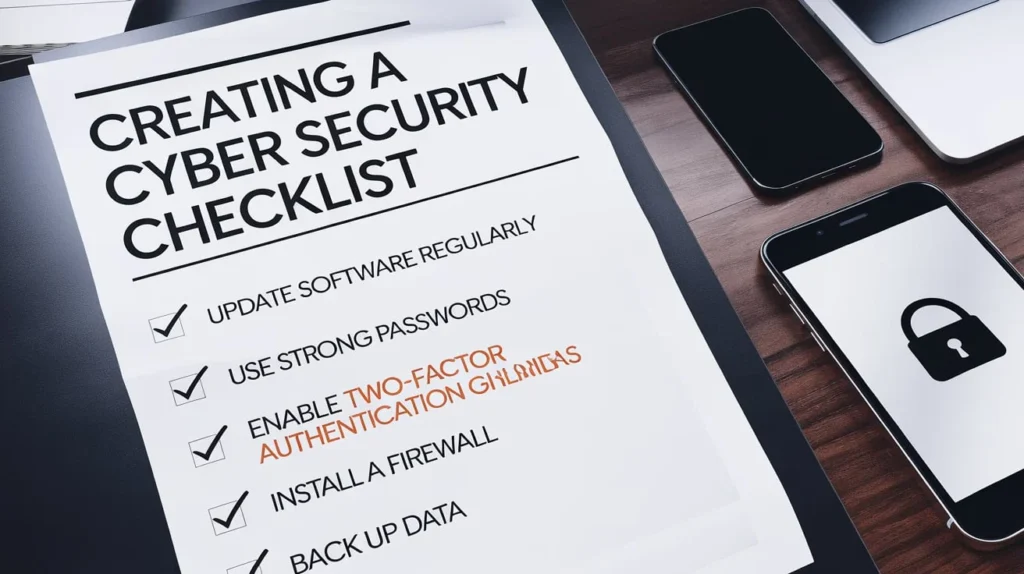
Here’s a practical checklist for small businesses:
- ✅ Update all software and plugins
- ✅ Use strong passwords and enable MFA
- ✅ Backup data regularly
- ✅ Install antivirus, firewall, and endpoint security
- ✅ Conduct employee training monthly
- ✅ Secure Wi-Fi networks and remote work devices
- ✅ Monitor access logs and suspicious activity
- ✅ Have an incident response plan ready
- ✅ Consider cyber insurance
- ✅ Review compliance requirements
Emerging Cyber Security Trends for Small Businesses in 2025
- AI-Powered Threat Detection – Tools that detect unusual behavior and malware using artificial intelligence
- Zero Trust Security Models – Always verify, never trust automatically
- Cloud Security Solutions – As businesses migrate to cloud services, cloud security becomes critical
- IoT Security – Protect smart devices and connected equipment
- Behavior-Based Authentication – Beyond passwords, using behavior patterns to identify users
FAQs
Q1: Can small businesses afford cyber security solutions? Yes, there are cost-effective tools and plugins tailored for small businesses without breaking the budget.
Q2: How often should I train employees on cyber security? At least once every 3–6 months, with updates on emerging threats.
Q3: Is a firewall necessary for small businesses? Absolutely, firewalls protect networks from unauthorized access and malware.
Q4: What is the biggest cyber threat for small businesses? Phishing and ransomware remain the most common threats.
Q5: Do I need cyber insurance if I have security tools? Yes, it acts as a safety net in case preventive measures fail.
Conclusion
Cyber security is no longer optional for small businesses in 2025. With increasing cyber threats, even the smallest businesses are at risk of data breaches, ransomware attacks, and financial losses. By implementing strong passwords, MFA, updated software, firewalls, backups, and employee training, small businesses can significantly reduce risks.
Using the right cyber security tools, maintaining compliance, and considering cyber insurance adds layers of protection. Proactive security measures not only safeguard data but also build trust with customers and ensure long-term business sustainability.
In short, cyber security for small businesses is an investment in your company’s future, reputation, and survival. Start today, stay secure, and thrive safely in the digital world of 2025.