
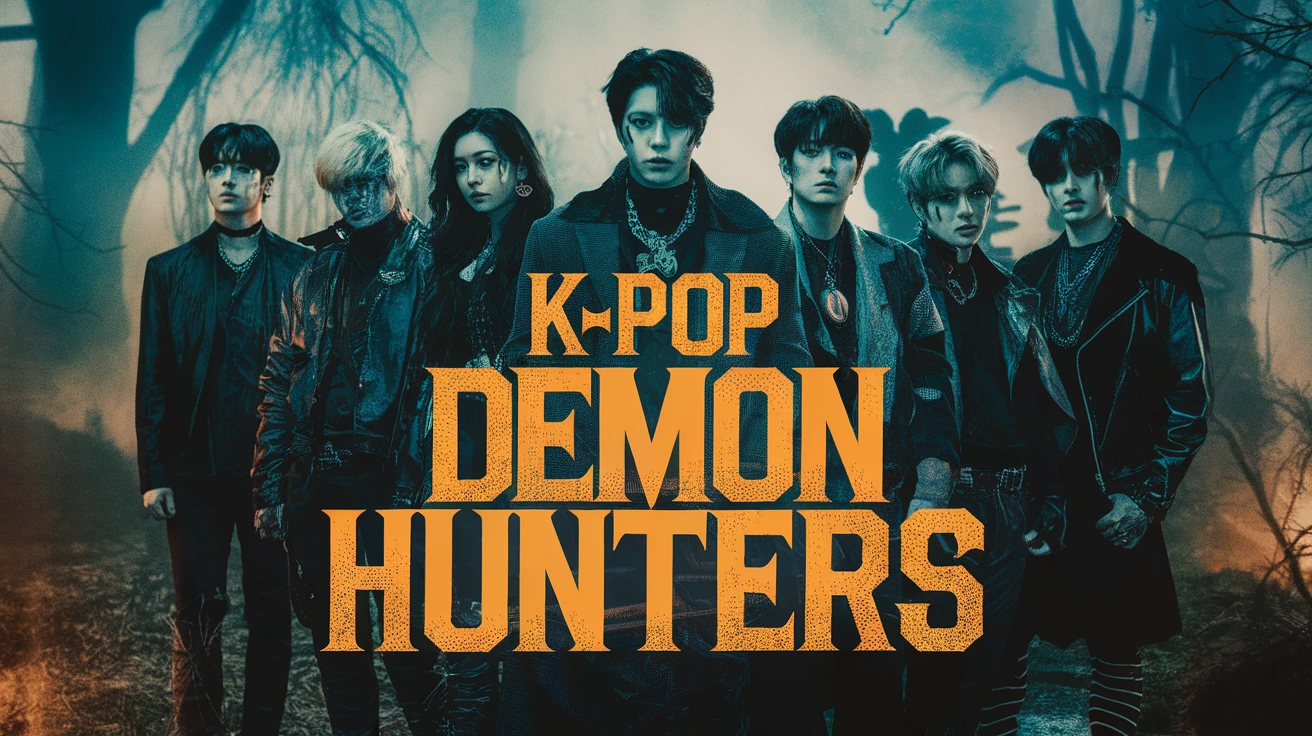
In the ever-evolving world of Korean entertainment, a new trend has captured the imagination of global audiences — Kpop Demon Hunters. Blending the vibrant charm of K-pop culture with dark fantasy, supernatural action, and cinematic storytelling, this rising genre has exploded across social media, fan forums, and streaming platforms.
Whether through webtoons, K-dramas, music videos, or idol concept films, Kpop Demon Hunters is redefining the synergy between music and mythology in a way that feels bold, innovative, and irresistibly addictive.
If you’ve been wondering what Kpop Demon Hunters actually are, why the concept is going viral, and what makes fans obsess over these supernatural idols, this deep-dive article breaks down everything — history, character tropes, fan culture, world-building, top examples, and what the future looks like for this visually powerful genre.
Let’s begin.
What Are Kpop Demon Hunters?
At its core, Kpop Demon Hunters refers to a creative concept often used in K-pop, K-dramas, webcomics, or fan-fiction where idols or characters take on the role of supernatural fighters — typically slaying demons, confronting dark forces, or battling mythical creatures.
This concept merges:
- High-energy K-pop aesthetics
- Fantasy world-building
- Martial arts or magical powers
- Dark, supernatural lore
- Cinematic visuals
In short: Imagine your favorite K-pop idols… but as demon slayers in a dramatic fantasy universe.
This hybrid genre has roots in Asian folklore but incorporates modern styling, idol charisma, and explosive storytelling — creating content that fans find completely electrifying.
Why the “Kpop Demon Hunters” Trend Became a Global Obsession
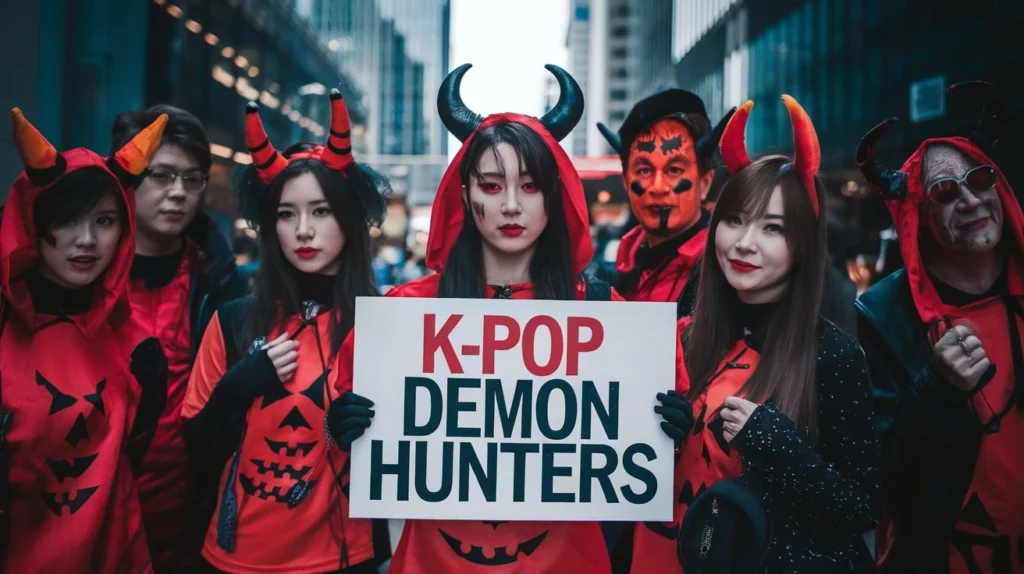
To understand why Kpop Demon Hunters became so massive, we need to explore the key factors that make this genre so appealing to global fans.
1. The Perfect Blend of Aesthetics and Action
K-pop is already known for its visual excellence — sharp fashion, heavy symbolism, and dynamic camera work. When these elements collide with supernatural action scenes, the result feels like a live-action anime with idol energy.
Fans love:
- Dark fantasy outfits
- Magic-infused choreography
- Cinematic teasers and lore trailers
- Intensely powerful concept photos
- Mythological world-building
This fusion delivers a visual experience that feels expensive, premium, and immersive.
2. Rising Popularity of Dark Fantasy in Korean Media
Series like Goblin, Island, and The Uncanny Counter ignited global love for demon-hunting narratives.
Combine this with K-pop’s storytelling ambition, and you get a genre that sits perfectly between:
- K-drama thrills
- K-pop music videos
- Webtoon-style supernatural plots
This cross-media appeal is a major reason the trend went viral.
3. Fans Love Lore-Based Concepts
Modern K-pop fandom thrives on lore — elaborate theories, hidden clues, narrative universes, and symbolic references.
The Kpop Demon Hunters concept gives groups endless opportunities to build:
- Origin stories
- Power systems
- Villain arcs
- Reincarnation timelines
- Sacred objects
- Multiverse lore
For fans who love decoding, theorizing, and storytelling, it’s pure heaven.
4. It Creates Strong Emotional Attachment
Demon-hunting themes are packed with:
- Heroism
- Sacrifice
- Light vs. darkness
- Curse-breaking
- Redemption arcs
These emotional narratives create strong parasocial bonds between fans and idols, strengthening the fandom experience.
Origins of the Kpop Demon Hunters Concept
Although the “Kpop Demon Hunters” phrase feels modern, its roots stretch back decades.
Historical Inspirations
The concept draws inspiration from:
- Korean folklore (gumiho, dokkaebi, gwisin)
- East Asian demon-slayer legends
- Shinto-inspired exorcist tales
- Confucian moral symbolism
- Buddhist mythologies about evil spirits
These mythologies have long influenced Korean dramas, games, and manhwa before entering K-pop culture.
Early K-pop Examples
While the demon-hunter concept skyrocketed recently, early hints existed in:
- VIXX’s dark fantasy concept eras
- Dreamcatcher’s nightmare storyline
- EXO’s supernatural powers
- B.A.P’s warrior-themed lore
Over time, the trend evolved into a fully fleshed sub-genre.
Popular Examples of Kpop Demon Hunters in Modern Media
To understand the landscape, let’s explore real examples across K-pop, K-dramas, and webtoons.
1. “Island” – K-Drama
A high-budget fantasy drama where characters with extraordinary abilities fight against ancient demons on Jeju Island.
2. “The Uncanny Counter”
A supernatural series that features demon hunters disguised as noodle shop workers.
3. Idols With Demon-Hunter Concepts
Many K-pop groups lean into supernatural themes, such as:
- TXT — magic, curses, alternate realms
- ATEEZ — pirate demon lore
- Dreamcatcher — dark fantasy and nightmare creatures
- Stray Kids — alternate dimension battles
- ENHYPEN — vampire and werewolf lore
While not always explicitly “demon-hunters,” they contribute heavily to the trend.
4. Webtoons Featuring Idol Demon Hunters
Popular webtoons mix K-pop and demon-hunting themes, often portraying idols as magical warriors.
Some popular examples include:
- Solo Leveling (similar energy — supernatural hunters)
- The Last Exorcist
- Demon Slayer-inspired Korean adaptations
These stories reinforce the aesthetic fans crave.
Core Elements of the Kpop Demon Hunters Concept
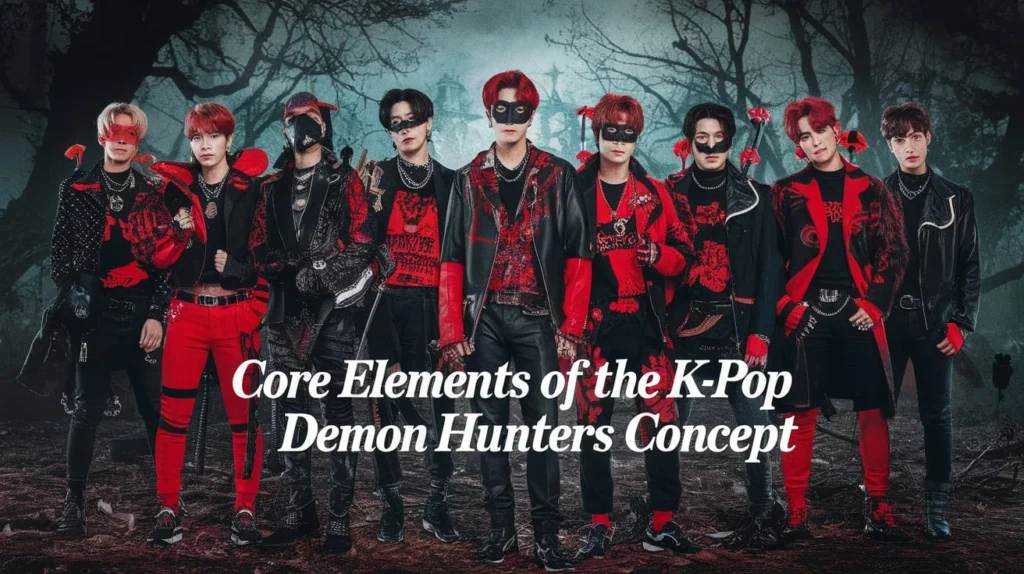
Every successful demon-hunter themed project shares identifiable elements. Let’s explore them.
1. The Hero Archetype
These characters often embody traits like:
- Hidden identity
- Tragic past
- Unique supernatural power
- Courage + vulnerability
- Reluctant hero complex
This relatability strengthens emotional engagement.
2. The Demon Hierarchy
There’s usually a structured system of evil beings:
- Low-level demons
- Cursed souls
- Ancient dark spirits
- Deities or demon kings
This creates narrative depth and progression.
3. Symbolic Weapons
Weapons often appear with lore-heavy significance:
- Moon swords
- Sacred talismans
- Magic-infused jewelry
- Crossbows
- Ancestral blades
These give the concept a premium, fantasy-driven feel.
4. A Cursed World
Settings usually include:
- Abandoned temples
- Fog-filled forests
- Urban alleys
- Dimly lit underground worlds
- Modern cities influenced by dark magic
This contrast between modern K-pop visuals and ominous fantasy settings is part of the genre’s appeal.
Why Fans Are Emotionally Attached to Demon Hunter Characters
Whether in K-pop teasers or K-dramas, demon-hunter characters evoke emotional responses because they reflect universal themes:
• Fighting inner demons
A metaphor for self-struggle, mental battles, and emotional growth.
• Protecting loved ones
Fans admire the heroism and sacrifice.
• Power and vulnerability
A balance that audiences find deeply relatable.
• Transformation arcs
Characters evolve dramatically, creating satisfying storylines.
This emotional complexity makes the genre feel mature, rich, and deeply cinematic.
How the Kpop Demon Hunters Concept Influences Fandom Culture
The trend isn’t just about visuals — it reshapes online fan behavior.
1. Fan Art Explosion
Artists create:
- Demon-hunter versions of idols
- Weapon designs
- Alternate universe scenes
- Poster-style edits
This creates a thriving visual community.
2. Lore Theorizing
Fans analyze:
- MV symbolism
- Trailer clues
- Lightstick designs
- Teaser posters
- Hidden codes
These theories go viral, boosting engagement.
3. Cosplay
Convention and social media cosplayers bring the demon-hunter aesthetic to life with:
- Robes
- Magical weapons
- Dark fantasy makeup
It’s become a staple look in K-pop-inspired cosplay culture.
4. Merchandise Demand
Groups often release:
- Dark-themed photobooks
- Fantasy outfits
- Demon-hunter concept photocards
Fandoms love aesthetic-driven merch.
How the Kpop Demon Hunters Trend Shapes Storytelling in K-pop
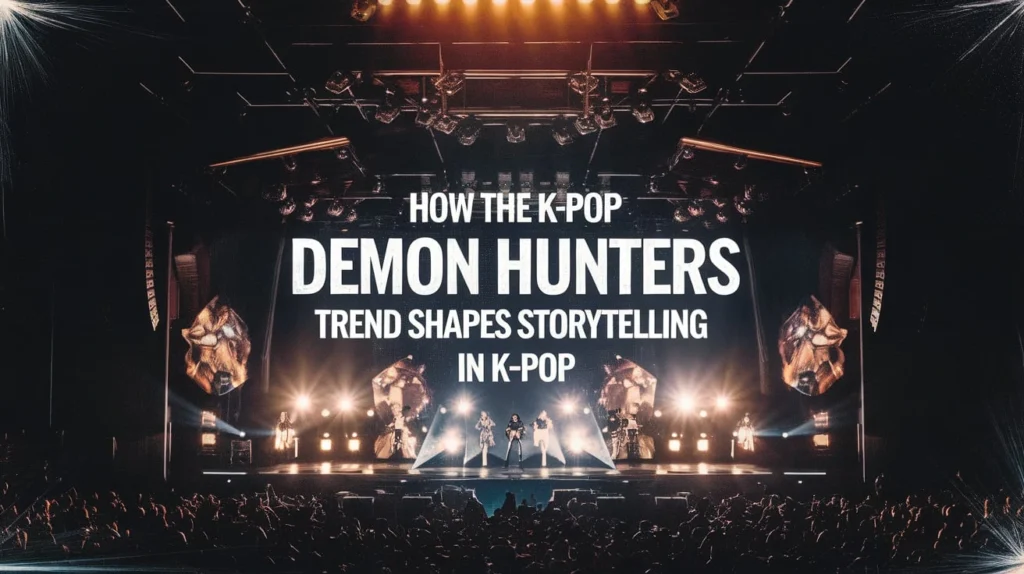
Let’s break down exactly how this concept changes the way K-pop creates content.
1. Cinematic Music Videos
Demon-hunter themed MVs include:
- High-action choreography
- Magic effects
- Combat sequences
- Symbolic lighting
- Heavy storyline integration
It elevates the entire visual experience.
2. Lore-Based Comeback Trailers
K-pop companies increasingly use:
- Prologue films
- Origin story videos
- Character-introduction teasers
These build hype and give fans something to decode.
3. World-Building Photobooks
Special edition albums often include:
- Ancient ruins
- Spellbooks
- Dark fantasy styling
- Illustrated demon lore
It feels like exploring a fantasy novel.
Kpop Demon Hunters in Fanfiction and AU (Alternate Universe) Culture
One of the biggest reasons this concept thrives is fan-created content. AU fanfics feature idols as:
- Supernatural warriors
- Exorcists
- Guardians of magical realms
- Cursed fighters
- Forbidden lovers with dark powers
Popular themes include:
- Forbidden romances
- Partners turned enemies
- Cursed idols
- Redemption through love
- Time-travel demon hunting
It feeds fans’ imagination and strengthens attachment to the concept.
What Makes the Demon Hunter Aesthetic So Visually Powerful?
The visual appeal lies in its dramatic contrast.
1. Dark Meets Glam
Fans adore the combination of:
- Black outfits
- Silver accessories
- Red magical symbols
- Leather + embroidered robes
It feels luxurious and intense.
2. Symbolism-Heavy Visuals
Demon-hunter concepts often use:
- Lunar references
- Blood-red elements
- Fire and smoke
- Ancient scripts
- Mirror symbolism
These elements deepen the narrative layers.
3. The “Hero in Darkness” Look
This aesthetic makes idols appear:
- Mysterious
- Strong
- Tragic
- Charismatic
It’s a visual formula fans never get tired of.
How to Create Your Own Kpop Demon Hunter Concept (For Writers & Creators)
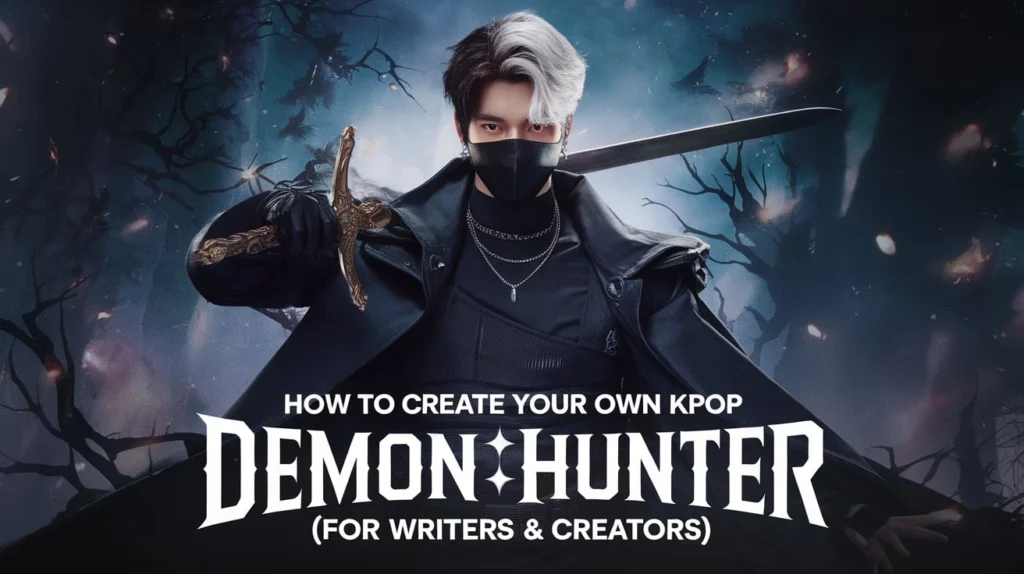
If you’re a creator, writer, or fan wanting to build your own AU or content project, here’s a smooth blueprint.
1. Build the Backstory
Ask questions like:
- Why do they hunt demons?
- What cursed them?
- What are their emotional scars?
2. Define the Power System
Examples:
- Moon powers
- Shadow manipulation
- Fire summoning
- Spirit communication
- Weapon mastery
3. Create the Demon Hierarchy
Add:
- Low-level demons
- Elite monsters
- Boss demons
- Demon kings
4. Add Symbolic Items
These deepen immersion:
- Amulets
- Tattoos
- Bladed weapons
- Magical rings
5. Build Relationships
Include:
- Rivalries
- Secret alliances
- Love triangles
- Mentor-apprentice bonds
6. Tie It to Modern K-pop Styling
Make sure to incorporate:
- Fashion styling
- Choreography ideas
- MV storyline beats
This creates the perfect fusion of pop + fantasy.
Future of the Kpop Demon Hunters Trend
The trend continues to grow, and experts predict:
More lore-driven K-pop comebacks
With cinematic storytelling rising, groups will lean more into supernatural concepts.
Cross-media expansions
Expect:
- Webtoon adaptations
- Novel versions
- Drama spin-offs
- Game collaborations
Next-gen CGI in K-pop MVs
High-budget visual effects will make demon-hunter concepts even more impressive.
Fan-driven universes
Fandom-created AUs may influence real K-pop concepts over time.
FAQs
What does “Kpop Demon Hunters” mean? It refers to a fantasy concept where K-pop idols or characters take on demon-slaying roles in music videos, teasers, dramas, or fan-made content.
Is the demon-hunter trend official in K-pop or fan-created? It’s both. Many groups use supernatural concepts officially, while fandoms expand them through fanfiction and alternate universe (AU) content.
Which K-pop groups use supernatural or demon-hunter concepts? TXT, Dreamcatcher, ATEEZ, Stray Kids, ENHYPEN, and VIXX are some groups known for dark fantasy or supernatural themes.
Why do fans love demon-hunter concepts so much? Because they offer dramatic visuals, emotional storylines, rich lore, powerful symbolism, and immersive world-building.
Can creators make their own Kpop Demon Hunter stories? Absolutely. The concept works well for fanfiction, webtoons, short films, and AU storytelling.
Conclusion
The Kpop Demon Hunters phenomenon isn’t just a passing trend — it’s a creative evolution of Korean entertainment. By merging idol glamour with supernatural action, the genre delivers a cinematic, emotionally rich experience that fans can’t resist. From high-budget K-dramas to lore-heavy K-pop comebacks and fan-created universes, demon-hunter themes are shaping the next generation of cultural storytelling.
Whether you’re a fan, creator, or industry watcher, one thing is clear: Kpop Demon Hunters is more than a concept — it’s a cultural movement blending myth, music, and modern fantasy into an unforgettable experience.