
In today’s interconnected world, ocean logistics stands as the silent engine powering global trade, enabling businesses to move vast quantities of goods across continents with unmatched cost-efficiency. Whether it’s consumer electronics, automobiles, agricultural products, or raw materials, nearly 90% of the world’s trade travels by sea.
With its scale, affordability, and increasing digital transformation, ocean logistics has become one of the most essential components of modern supply chain management.
This premium, in-depth guide explores the structure, benefits, challenges, technologies, and future of ocean logistics — giving you real-world insights, actionable tips, and a clear understanding of how maritime transportation truly keeps the world running.
What Is Ocean Logistics?
Ocean logistics refers to the planning, management, and execution of transporting goods over sea routes using cargo ships, container vessels, tankers, and other maritime carriers. It includes all activities necessary to ensure seamless global shipping, such as:
- Freight forwarding
- Documentation and customs compliance
- Port operations
- Container handling
- Route optimization
- Cargo tracking and visibility
- Warehouse and terminal management
- Last-mile and intermodal integration
Ocean logistics plays a critical role in international trade because it provides the lowest per-unit transportation cost, making it ideal for bulk shipments and heavy goods.
Why Ocean Logistics Matters in Today’s Global Supply Chain
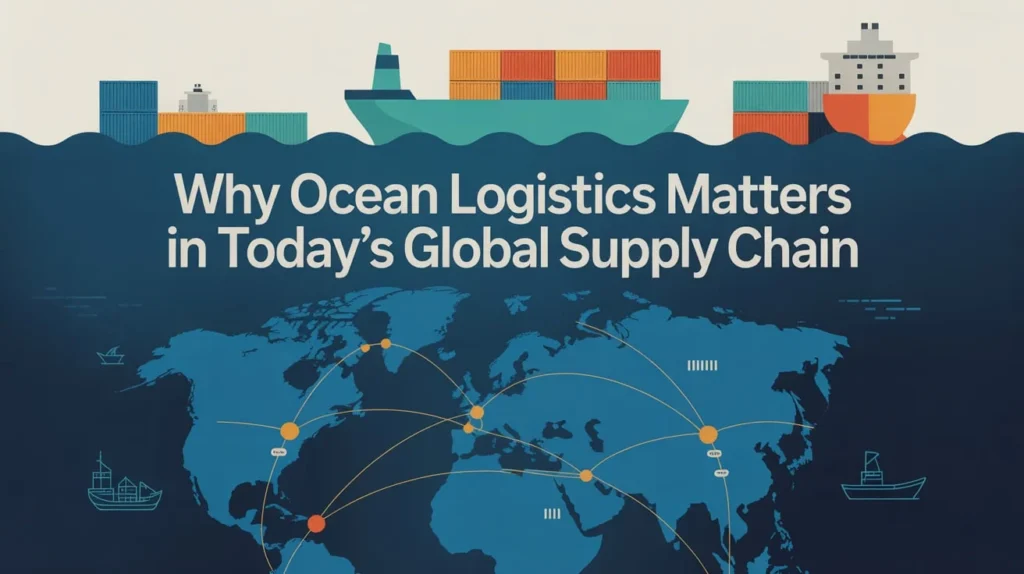
Without ocean logistics, the world as we know it simply couldn’t function. From everyday household items to industrial machinery, ocean freight is the backbone of mass-scale distribution.
Key Reasons Ocean Logistics Is Indispensable
1. Cost-Effective Global Shipping
Compared to air freight, sea shipping is significantly cheaper — sometimes up to 6× more economical. This makes it the preferred mode of transportation for companies aiming to keep supply chain expenses low.
2. Massive Capacity
A single container ship can carry 20,000+ TEUs (Twenty-foot Equivalent Units), enabling businesses to ship huge volumes without the constraints of weight that air freight faces.
3. Environmentally Efficient
With growing demand for sustainable operations, ocean logistics offers a lower carbon footprint per unit shipped compared to other modes.
4. Essential for International Trade
Industries such as automotive, textiles, construction, FMCG, petroleum, and pharmaceuticals heavily rely on maritime logistics for importing and exporting goods globally.
How Ocean Logistics Works: Step-by-Step Process
Understanding the ocean logistics workflow helps businesses streamline their operations and reduce risk. Here’s how a typical ocean shipment moves from one point to another:
1. Cargo Planning and Booking
The process starts when a shipper finalizes cargo details and books space on a vessel through:
- A shipping line
- A freight forwarder
- A logistics provider
Shippers choose the route, service, pricing model, and transit time before confirming the booking.
2. Containerization
Cargo is packed into standardized containers such as:
- 20-foot containers
- 40-foot containers
- Reefer containers (for temperature-sensitive goods)
- Open-top or flat-rack containers (for oversized cargo)
Proper packaging, sealing, and labeling ensure compliance and safety.
3. Inland Transportation to Port
Cargo is transported to the port using:
- Trucks
- Trains
- Barges
This stage is crucial for maintaining supply chain timing.
4. Port Handling and Loading
At the port:
- Containers are inspected
- Documentation is verified
- Terminal operators load them onto the designated vessel using cranes and equipment
5. Sea Transport
The ship follows its planned route — which may include multiple transshipment ports — before reaching the destination port.
6. Unloading and Customs Clearance
After arriving:
- Cargo is unloaded
- Customs officials examine the shipment
- Duties, taxes, and import regulations are checked
7. Final Delivery
Once cleared, cargo is transported to:
- Warehouses
- Distribution centers
- Retailers
- End customers
This completes the ocean logistics cycle.
Types of Ocean Logistics Services
Ocean logistics encompasses a wide range of specialized services depending on cargo type, business needs, and shipment volume.
1. FCL (Full Container Load)
The shipper books an entire container for their goods. This offers:
- Faster transit
- Better security
- Lower risk of damage
Ideal for large shipments.
2. LCL (Less than Container Load)
Multiple shippers share a container. Suitable for small shipments or businesses without full container volume.
3. Bulk and Breakbulk Shipping
Used for commodities such as:
- Coal
- Oil
- Grains
- Minerals
Breakbulk handles oversized cargo like turbines and machinery.
4. Ro-Ro Shipping (Roll-On/Roll-Off)
Vehicles and wheeled machinery are driven directly onto the vessel. Common for automotive logistics.
5. Reefer Shipping
Temperature-controlled containers ensure safe transportation of perishables, such as:
- Food
- Medicines
- Chemicals
- Flowers
6. Project Cargo Logistics
Used for large-scale industrial shipments, such as:
- Construction equipment
- Wind turbines
- Oil & gas infrastructure
Key Players in Ocean Logistics
Ocean logistics involves collaboration among numerous entities:
Shipping Lines
Examples include Maersk, MSC, CMA CGM, Evergreen, and Hapag-Lloyd.
Freight Forwarders
They manage shipping arrangements, documentation, and customs processes.
NVOCCs (Non-Vessel Operating Common Carriers)
They book space from shipping lines and resell it to customers.
Port Authorities
Responsible for port regulations, infrastructure, and safety.
Terminal Operators
Handle cargo loading/unloading and container storage.
Customs Agencies
Ensure legal compliance of import/export shipments.
The Benefits of Ocean Logistics for Businesses
Whether you’re a small eCommerce company or a multinational enterprise, ocean logistics brings unmatched advantages.
1. Exceptional Cost Efficiency
Moving a container by sea is cheaper than any other mode, enabling businesses to scale globally without excessive logistics costs.
2. Flexibility With Cargo Types
From fragile items to industrial-grade cement, ocean carriers handle a wide variety of cargo categories.
3. High Safety Standards
Modern shipping vessels offer robust safety and controlled-temperature environments.
4. Enhanced Global Reach
Ships can reach virtually any country with a port, giving businesses access to new markets.
5. Support for Bulk Shipments
Industries depending on heavy raw materials consider ocean logistics indispensable.
Common Challenges in Ocean Logistics
Although ocean logistics offers tremendous benefits, it also has certain challenges businesses need to navigate carefully.
1. Long Transit Times
Sea freight is slower than air freight, often taking weeks depending on distance.
2. Port Congestion
Delays at major ports can disrupt schedules, especially during peak seasons.
3. Complex Documentation
Shipping involves multiple documents, such as:
- Bill of Lading
- Packing List
- Commercial Invoice
- Certificates of Origin
4. Customs Clearance Delays
Incorrect paperwork or regulatory mismatches can result in cargo holds.
5. Weather and Environmental Risks
Storms, high waves, and climate-related disruptions may affect sailing schedules.
6. Freight Rate Fluctuations
Rates can vary depending on seasons, fuel prices, and global demand.
Digital Transformation in Ocean Logistics
Technology has revolutionized ocean logistics, making the entire ecosystem more efficient, transparent, and resilient.
1. Real-Time Cargo Tracking
GPS, IoT sensors, and satellite navigation offer end-to-end visibility.
2. Automated Port Operations
AI-driven cranes, automated guided vehicles (AGVs), and robotic sorting systems reduce human error and speed up cargo handling.
3. Blockchain-Based Documentation
Smart contracts ensure secure, tamper-proof shipping documents — cutting processing time significantly.
4. Digital Freight Platforms
Platforms like Freightos and Maersk Spot streamline booking, communication, and rate comparison.
5. Predictive Analytics
Helps companies forecast:
- Delays
- Port congestion
- Inventory requirements
Ocean Logistics vs Air Freigh: A Quick Comparison
Here’s a clean table comparing the two modes:
FactorOcean LogisticsAir FreightCostExtremely economicalExpensiveSpeedSlow (weeks)Fast (hours/days)Cargo CapacityVery highLimitedEnvironmental ImpactMore eco-friendlyHigher emissionsBest ForBulk goods, heavy loads, non-urgent shipmentsUrgent deliveries, small parcels
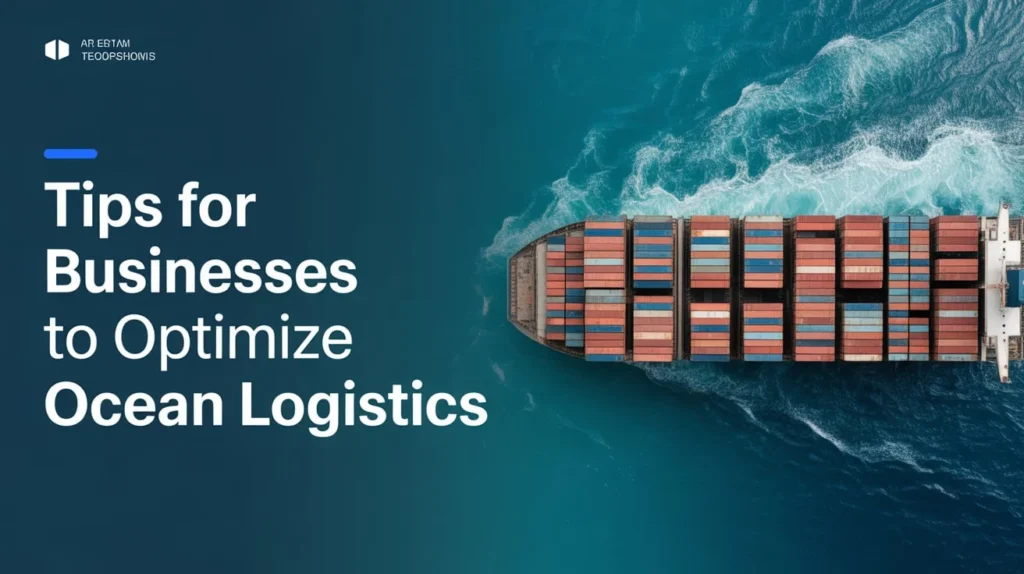
Tips for Businesses to Optimize Ocean Logistics
1. Plan Shipments Early
Avoid last-minute bookings to prevent higher rates and delays.
2. Optimize Packaging
Efficient container usage reduces costs.
3. Use Hybrid Logistics Models
Combine air + sea for better cost-time balance.
4. Work With Reliable Forwarders
A reputable logistics provider ensures smoother customs handling and documentation.
5. Track Shipments Digitally
Use GPS and smart platforms for real-time monitoring.
6. Understand Trade Regulations
Staying updated with import/export laws prevents compliance issues.
FAQs
1. What is the main role of ocean logistics? Ocean logistics manages the transportation of goods via sea routes, including container handling, port operations, freight forwarding, documentation, and cargo delivery.
2. How long does ocean freight delivery typically take? Transit times vary by route. Short routes may take 5–7 days, while intercontinental shipments can take 20–40 days depending on weather, port congestion, and shipping schedules.
3. Is ocean shipping cheaper than air freight? Yes. Ocean logistics is significantly more cost-effective, especially for bulk cargo or heavy shipments.
4. What documents are required for ocean shipping? Common documents include the Bill of Lading, Packing List, Commercial Invoice, Certificate of Origin, and customs forms.
5. What types of cargo are transported through ocean logistics? Everything from electronics, machinery, vehicles, clothing, food products, chemicals, grains, oil, metals, and large project cargo can be shipped by sea.
Conclusion
Ocean logistics remains a cornerstone of global trade, powering the movement of goods across continents with unmatched capacity, cost-efficiency, and reliability. As the world becomes more interconnected, the importance of maritime transportation continues to grow. With digital transformation reshaping ports, carriers, and supply chains, businesses now have more visibility, control, and flexibility than ever before. Whether you’re a small importer or a multinational enterprise, understanding and optimizing your ocean logistics strategy is crucial for staying competitive, reducing costs, and ensuring long-term operational success.