
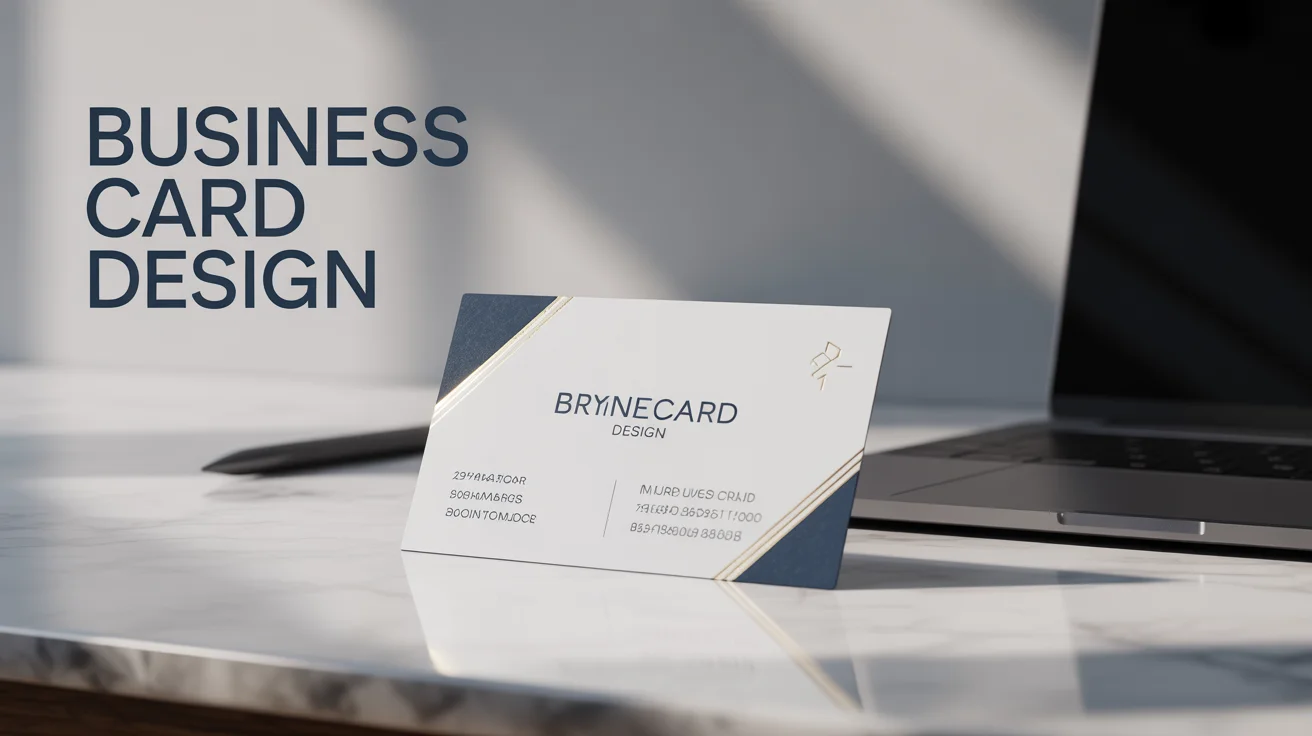
In a world where most networking happens online, you might think business cards are outdated. But that’s far from true. A well-designed business card is still one of the most effective tools for leaving a lasting impression.
Think of it as a tiny piece of your brand — something people can hold, feel, and remember you by. Whether you’re an entrepreneur, freelancer, or corporate professional, your business card design speaks volumes about your personality and professionalism.
This guide walks you through everything you need to know — from layout and color choices to materials and printing — to help you design a business card that truly stands out.
Why Business Card Design Still Matters
Despite the rise of digital profiles and QR codes, business cards remain timeless for one simple reason: they’re personal. When you hand someone your card, it creates a connection that’s more memorable than an email exchange.
Here’s why business cards are still powerful today:
- They show professionalism. Handing out a business card instantly communicates that you take your work seriously.
- They make you memorable. A unique, attractive design ensures people remember you long after the meeting ends.
- They represent your brand. The design, colors, and typography all express who you are and what you stand for.
- They’re perfect for offline networking. Conferences, meetings, or casual encounters — a card fits every moment.
Simply put, a strong business card design bridges the gap between online presence and real-world connection.
Key Elements of a Great Business Card Design
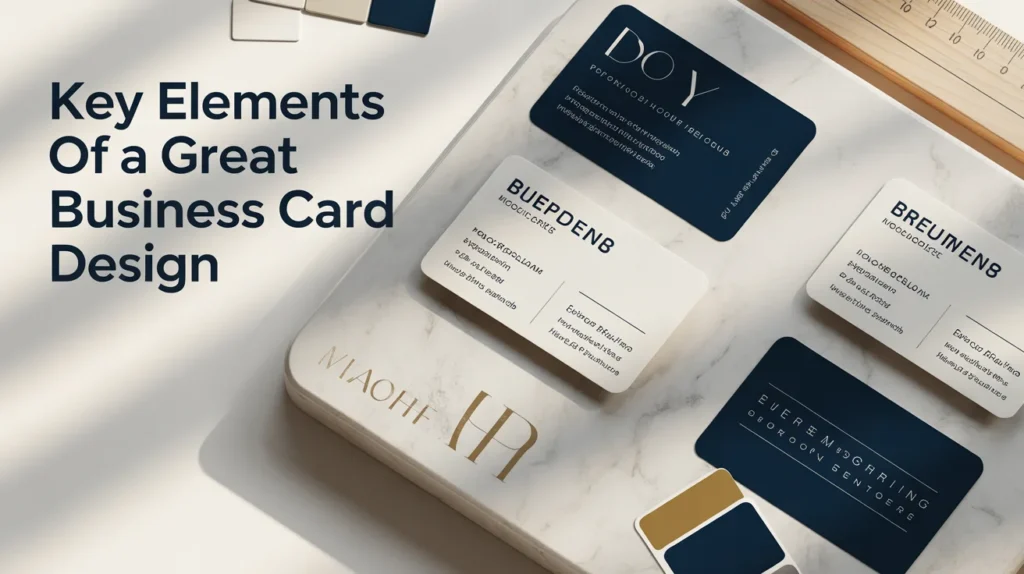
A stunning business card is a mix of creativity, balance, and clarity. Each design element must serve a purpose and enhance your brand image.
Layout and Structure
The layout is the backbone of your design. It should guide the reader’s eye naturally while keeping information easy to read.
Tips for a clean layout:
- Keep enough white space; don’t overcrowd.
- Align text neatly — either left, center, or right.
- Maintain consistent margins (3–5mm usually works best).
A well-structured layout ensures your card feels professional, not chaotic.
Typography
Fonts convey emotion. The right typography can instantly make your design look modern, classic, or playful.
Pro tip: Stick to two fonts at most — one for your name or logo and another for details.
- Classic look: Garamond, Baskerville
- Modern look: Helvetica, Lato, Montserrat
- Creative touch: Raleway, Playfair Display
Always ensure the text is legible — avoid overly decorative fonts for key details.
Color Scheme
Colors make your design come alive. The right palette enhances readability while reinforcing your brand personality.
- Blue: Trust, reliability (ideal for corporate or tech brands)
- Black and Gold: Luxury and sophistication
- White and Pastels: Modern and minimal
- Red or Orange: Bold, energetic, creative
Keep the background and text in high contrast to ensure the information is clear at a glance.
Logo and Branding
Your logo is the visual signature of your brand. It should stand out but not overpower the entire card. If you don’t have a logo, consider using a stylized version of your name in a clean, memorable font.
A consistent logo across your card, website, and social platforms builds recognition and trust.
Material and Finish
The feel of your business card can be just as impactful as its design. Quality paper and finishes signal professionalism and attention to detail.
Popular finishes include:
- Matte: Smooth, refined, and elegant.
- Glossy: Vibrant and reflective.
- Textured: Adds a premium, tactile feel.
- Foil or Embossing: Perfect for highlighting your logo or name.
Choosing the right finish can turn a simple design into something unforgettable.
Creative Business Card Design Ideas
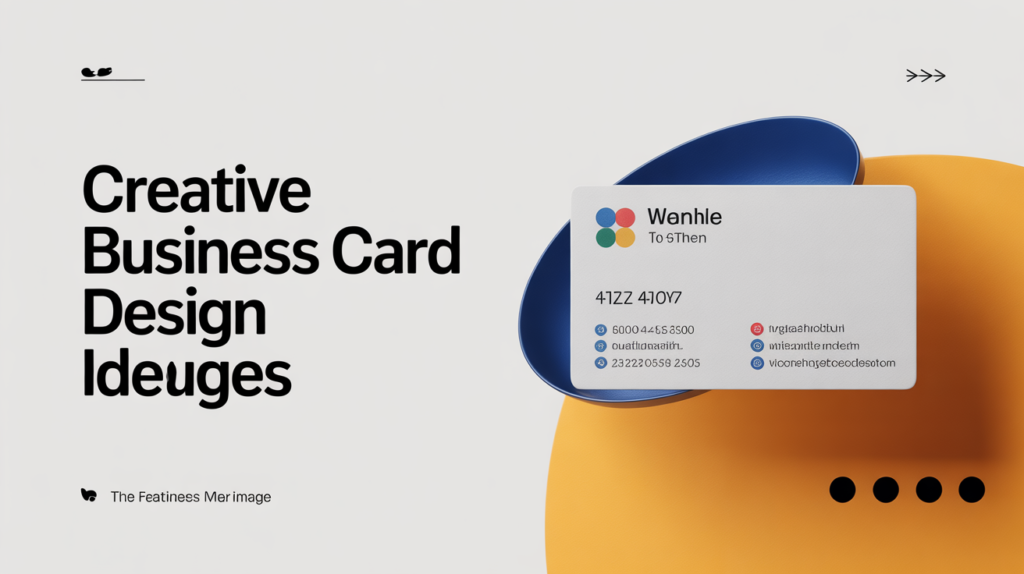
If you want your card to stand out in a stack, creativity is key. Here are some inspiring design approaches:
Minimalist Design
Less really is more. Clean lines, subtle colors, and balanced spacing convey confidence and modern taste.
Bold Typography
Make your name or brand the star of the card with strong, oversized fonts. It creates instant impact and memorability.
Vertical Layout
Most cards are horizontal — flipping the orientation vertically gives a fresh, modern twist.
Interactive or Functional Cards
Cards with QR codes, mini calendars, or even NFC chips combine style with functionality — a smart move for tech-savvy brands.
Eco-Friendly Materials
Recycled paper, bamboo, or seed-based cards are great for environmentally conscious professionals. They also add uniqueness and authenticity.
Standard Business Card Sizes
RegionSize (in inches)Size (in mm)USA/Canada3.5 × 288.9 × 50.8Europe3.35 × 2.1785 × 55Japan3.58 × 2.1791 × 55
Always include a 3mm bleed area when printing to avoid white borders or cut-off edges.
Digital Business Cards The Modern Upgrade
While traditional cards remain essential, digital business cards are gaining popularity. These modern versions use QR codes or NFC technology to share your details instantly.
Benefits of digital cards:
- Environmentally friendly
- Easily editable
- Shareable via phone or email
- Great for online networking
The smartest approach today? Combine both. Use a physical card for in-person meetings and embed a QR code that links to your digital profile or website.
Tips for Designing the Perfect Business Card
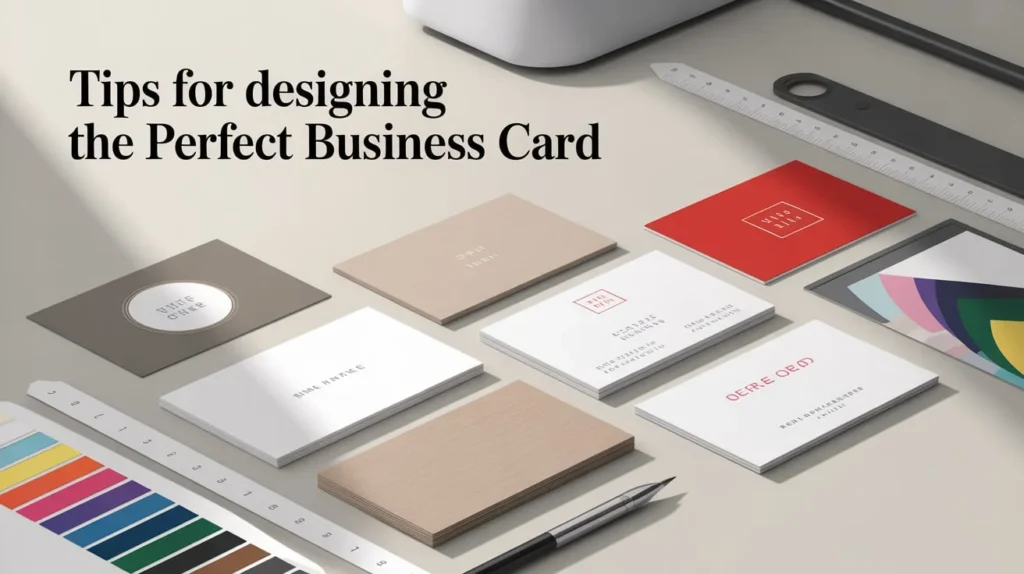
- Keep it simple: Focus only on essential information.
- Ensure readability: Choose font sizes that are easy to read at a glance.
- Use quality printing: Poor printing can ruin a great design.
- Stay on-brand: Make sure your design matches your overall branding and tone.
- Add a modern touch: Include a QR code, tagline, or short slogan that reflects your brand personality.
Common Mistakes to Avoid
Even small design errors can ruin your first impression. Avoid these pitfalls:
- Using too many fonts or colors
- Including too much text
- Using low-resolution images
- Forgetting to include key contact info
- Skipping bleed and trim guidelines
A clean, well-balanced design always wins over a busy or over-styled one.
Latest Business Card Design Trends for 2025
Design trends change, but creativity never goes out of style. Here’s what’s popular now:
- Monochrome and minimalist aesthetics
- Holographic and metallic finishes
- Rounded corners or custom die-cuts
- Recycled and eco-friendly materials
- Handwritten-style fonts for authenticity
- QR code and AR integrations for tech-forward brands
Blending creativity with professionalism will make your card future-proof and timeless.
Choosing the Right Designer or Tool
If design isn’t your strong suit, there are plenty of easy options:
- Freelancers: Hire from Fiverr or Upwork for affordable custom designs.
- Online Tools: Canva, VistaPrint, or Adobe Express offer ready-made templates.
- Design Agencies: Perfect for businesses that want complete branding packages.
Always request high-resolution, print-ready files (300 DPI, CMYK) before sending to print.
Internal Linking Suggestions
If you’re publishing this article on your website, link to related topics like:
- Logo Design Tips for Small Businesses
- Building a Memorable Brand Identity
- Top Graphic Design Trends for 2025
These internal links help improve your SEO ranking and keep visitors engaged longer.
FAQs
Q1. What makes a business card design effective? A great design is clean, readable, and aligned with your brand identity. It should capture attention while remaining professional.
Q2. What is the ideal size for a business card? The standard size is 3.5 × 2 inches, but unique sizes can help you stand out — just ensure they’re practical to carry.
Q3. Which software is best for designing cards? Adobe Illustrator, Canva, and Figma are the most popular tools for creating professional designs.
Q4. Should I add a QR code to my card? Yes, it’s a modern and convenient way to connect people directly to your website, LinkedIn, or portfolio.
Q5. What’s the best paper for printing business cards? Use thick cardstock (around 350–400gsm) for a durable, premium feel. Matte or textured finishes work best for elegance.
Conclusion
A business card design isn’t just about sharing contact details — it’s about sharing your identity. It tells your story before you even speak.
Whether you choose a minimalist black-and-white look or a vibrant, modern concept, the goal remains the same: make a strong, lasting impression.
Your card might be small, but its impact can be huge. So design it with intention, print it with quality, and hand it out with confidence — because the right card doesn’t just represent you, it remembers you.