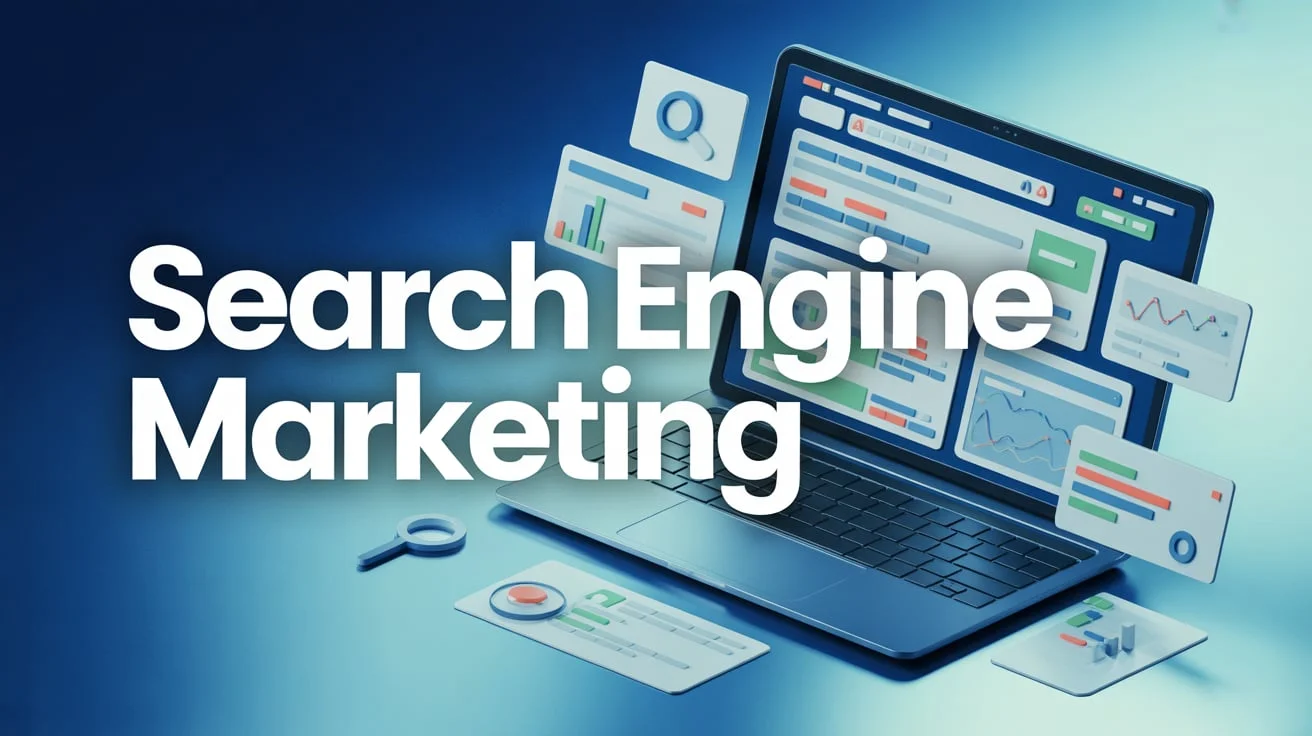
In today’s hyper-competitive digital landscape, visibility is everything. No matter how brilliant your product or service is, it means little if customers can’t find you online. That’s where Search Engine Marketing (SEM) steps in. SEM is one of the fastest and most powerful ways to drive targeted traffic, increase brand awareness, and generate measurable results through paid search ads.
From small startups to global brands, everyone is leveraging SEM to outsmart competitors and appear at the top of Google results. In this comprehensive guide, we’ll break down everything you need to know about search engine marketing — from strategies and benefits to tools, optimization tips, and real-world examples — helping you dominate search results and boost conversions.
What Is Search Engine Marketing (SEM)?
Search Engine Marketing (SEM) is a digital marketing strategy that promotes websites by increasing their visibility in search engine results pages (SERPs), primarily through paid advertising.
While Search Engine Optimization (SEO) focuses on organic ranking, SEM focuses on paid placements — often referred to as Pay-Per-Click (PPC) advertising.
Key Components of SEM
ComponentDescriptionPaid Search AdsAds that appear on search engines like Google or Bing when users search for relevant keywords.Keyword BiddingThe process of bidding on keywords relevant to your business to show your ad when those terms are searched.Ad Copy & ExtensionsCreating compelling, click-worthy ad content with extensions like phone numbers or sitelinks.Landing PagesOptimized pages where users land after clicking on an ad — designed for conversions.
Why Search Engine Marketing Matters in 2025
In 2025, digital competition is fiercer than ever. With AI-driven personalization, voice search, and new algorithms, brands must invest in precision-targeted marketing. SEM offers exactly that.
Here’s why SEM continues to dominate:
- Instant visibility: Unlike SEO, SEM delivers immediate results.
- Highly targeted: You reach users based on keywords, demographics, device, and location.
- Measurable ROI: Every click, conversion, and dollar spent can be tracked.
- Scalable: Start small and increase your budget as you grow.
- Competitive edge: Get ahead of organic results and outperform rivals.
In short, SEM bridges the gap between visibility and profitability.
SEM vs. SEO What’s the Difference?
Although SEM and SEO work together to enhance online visibility, they are not the same.
FactorSEMSEODefinitionPaid strategy to appear in search resultsOrganic strategy to earn rankings naturallySpeedInstant resultsLong-term growthCostPay for each click (PPC)Free clicks but requires time and content investmentPlacementAds at the top or bottom of SERPsOrganic listings below paid adsAnalyticsAd platforms like Google AdsTools like Google Analytics, Search Console
Pro Tip: The best marketing strategies combine SEM + SEO for maximum exposure — using paid ads for instant traffic while building long-term organic authority.
How Search Engine Marketing Works
Understanding SEM requires grasping how search ads appear, when they’re shown, and why users click them.
1. Keyword Research
Everything in SEM starts with keywords. You must find what your target audience is searching for. Tools like Google Keyword Planner, SEMrush, and Ahrefs help you discover high-intent, low-competition keywords.
Example:
- “Buy running shoes online” (commercial intent)
- “Best running shoes 2025” (research intent)
2. Ad Creation
Once you have keywords, craft ad copy that resonates. Focus on relevance, clarity, and emotional triggers. A strong SEM ad includes:
- Headline with the target keyword
- Unique value proposition
- Call to action (CTA) like “Shop Now” or “Get Free Quote”
3. Bidding
Advertisers compete for keywords through bidding systems like Google Ads. You set a maximum bid (the most you’ll pay for a click). Google then uses an Ad Auction to determine whose ad appears first based on:
- Bid amount
- Ad relevance
- Quality Score (CTR, landing page experience, ad relevance)
4. Ad Placement
When a user searches for your keyword, Google runs the auction in milliseconds and displays ads accordingly.
5. Tracking & Optimization
SEM doesn’t end after launch. You must:
- Track clicks, conversions, and CPC (cost-per-click)
- A/B test ad variations
- Optimize landing pages for better conversion rates
Benefits of Search Engine Marketing
Here are the top reasons businesses continue to invest heavily in SEM:
1. Fast and Measurable Results
Unlike SEO, which can take months, SEM delivers instant exposure. You can launch an ad today and start getting leads within hours.
2. Highly Targeted Audience Reach
SEM allows precise targeting by:
- Location
- Device
- Age and Gender
- Interests
- Search intent
3. Full Control Over Budget
You can set daily budgets and bid caps, ensuring cost efficiency. Whether you spend $5 or $500 per day, SEM can fit any business size.
4. Data-Driven Decisions
With Google Ads analytics, you can measure impressions, CTR, conversion rate, and ROI — enabling smarter marketing strategies.
5. Enhances Brand Awareness
Even if users don’t click your ad, seeing your brand repeatedly builds familiarity and trust.
Types of Search Engine Marketing Campaigns
There are several SEM campaign formats to choose from, depending on your goals:
TypeDescriptionIdeal ForSearch AdsText-based ads shown on Google search resultsLead generation, direct salesDisplay AdsBanner ads across Google’s Display NetworkBrand awarenessShopping AdsProduct listings with images and pricesE-commerce storesVideo AdsAds shown on YouTubeEngagement and storytellingApp CampaignsAds promoting app installsMobile appsRemarketing CampaignsAds shown to previous visitorsRe-engaging warm leads
Tip: Combine multiple campaign types for a well-rounded SEM strategy.
Essential Tools for Search Engine Marketing
To execute SEM effectively, you’ll need the right toolkit.
Here are some must-have tools for 2025:
ToolPurposeGoogle AdsCreate and manage ad campaignsGoogle Keyword PlannerKeyword discovery and CPC insightsSEMrush / AhrefsCompetitor analysis and keyword researchSpyFuAnalyzes competitor ad copy and keywordsGoogle Analytics 4Track conversions and campaign performanceUnbounce / InstapageBuild optimized landing pages
Best Practices for Effective SEM Campaigns
To make your SEM campaigns perform better, follow these proven best practices:
1. Choose High-Intent Keywords
Focus on commercial and transactional keywords like:
- Buy, Get Quote, Book Now, Hire, Compare, etc.
2. Write Compelling Ad Copy
Your ad must capture attention. Use power words and urgency:
- “Limited Time Offer”
- “Get 30% Off Today”
- “Free Shipping Available”
3. Optimize Your Landing Page
Ensure your landing page:
- Loads fast (under 3 seconds)
- Has clear CTAs
- Matches ad intent
- Includes testimonials or trust badges
4. Monitor Quality Score
Google’s Quality Score determines your ad rank. A high score (7–10) reduces CPC and improves ad visibility.
5. A/B Test Everything
Test different:
- Headlines
- CTAs
- Keywords
- Landing page layouts
Even small changes can drastically improve results.
Common Mistakes to Avoid in SEM
Avoid these pitfalls that waste budget and lower ROI:
- Using broad match keywords without filters
- Ignoring negative keywords
- Poor landing page relevance
- Overlooking ad extensions (call, location, site link)
- Not tracking conversion metrics
Search Engine Marketing Trends in 2025
SEM is evolving rapidly. To stay ahead, keep an eye on these emerging trends:
1. AI-Powered Bidding
AI now automates bidding strategies based on user intent and conversion probability.
2. Voice Search Optimization
With the rise of voice assistants, long-tail conversational keywords are becoming critical.
3. Visual Search Ads
Platforms like Google Lens and Pinterest are integrating visual ad placements.
4. Audience Segmentation
Hyper-targeted audience groups allow for ultra-personalized ad experiences.
5. Automation & Smart Campaigns
Google’s “Smart Campaigns” help small businesses run ads with minimal manual setup.
How to Measure SEM Success
Tracking performance is the backbone of SEM success.
Key Metrics to Monitor:
- CTR (Click-Through Rate) – Measures how often users click your ad.
- CPC (Cost Per Click) – The amount paid per click.
- Conversion Rate – Percentage of visitors who take desired action.
- Quality Score – Google’s rating of ad and keyword relevance.
- ROI (Return on Investment) – Measures profitability.
MetricIdeal BenchmarkCTR2% – 5%Conversion Rate5% – 10%Quality Score7+ROI200%+ (2x return)
Internal Linking Suggestions
If you’re publishing this article on your website, link internally to:
- “SEO vs SEM: Which Is Better for Your Business?”
- “Top Google Ads Tips for Beginners”
- “Keyword Research Tools You Need in 2025”
These internal links enhance SEO and keep users exploring related content.
FAQs
1. What is the difference between SEM and PPC?
SEM is a broader term that includes PPC. While PPC focuses only on paid ads, SEM covers both paid and some forms of enhanced organic visibility.
2. Is SEM better than SEO?
Not necessarily. SEM provides instant traffic, while SEO builds long-term authority. The best strategy uses both for maximum results.
3. How much does search engine marketing cost?
Costs vary based on industry, competition, and keyword. On average, small businesses spend $500–$5,000 per month on SEM.
4. Which is the best platform for SEM?
Google Ads dominates, but Bing Ads and Yahoo Ads also provide good results depending on your target audience.
5. How long does it take to see results from SEM?
You can see measurable results within 24–48 hours of launching your campaign, making SEM ideal for fast growth.
Conclusion
In the digital age, Search Engine Marketing is more than just paid ads — it’s a growth engine for modern businesses. Whether you’re a startup or a global brand, SEM can help you capture attention, generate leads, and convert clicks into loyal customers.
By combining smart keyword strategy, compelling ad copy, optimized landing pages, and ongoing analytics, you can maximize your ROI and stay ahead of the competition.